
Designer and lifestyle tastemaker Jenni Kayne has turned her signature California‑influenced aesthetic into a third book that takes readers far beyond the West Coast — without losing the relaxed, natural spirit that defines her work. With Pacific Natural Everywhere, Kayne presents a thoughtfully curated collection of homes from around the world that embody the same sense of ease, connection to nature, and understated design that has become synonymous with her brand.
Published by Rizzoli, Pacific Natural Everywhere is the latest addition to Kayne’s “Pacific Natural” series. Unlike her earlier volumes, which focused on entertaining and interiors more locally, this installment expands its focus globally, exploring how the California feeling — calm, grounded, effortless, and deeply connected to the surrounding landscape — can be expressed in homes from varied climates and cultures.
A Book Rooted in Feeling, Not Geography
For Kayne, the idea behind Pacific Natural Everywhere isn’t about copying California style literally. Instead, the book asks a more evocative question: Can a home feel like California even if it isn’t there? The answer, as Kayne shows through her selections, is yes. What makes a space feel this way is not sunshine or palm trees, but a deep dialogue between architecture, materials, light, and nature.
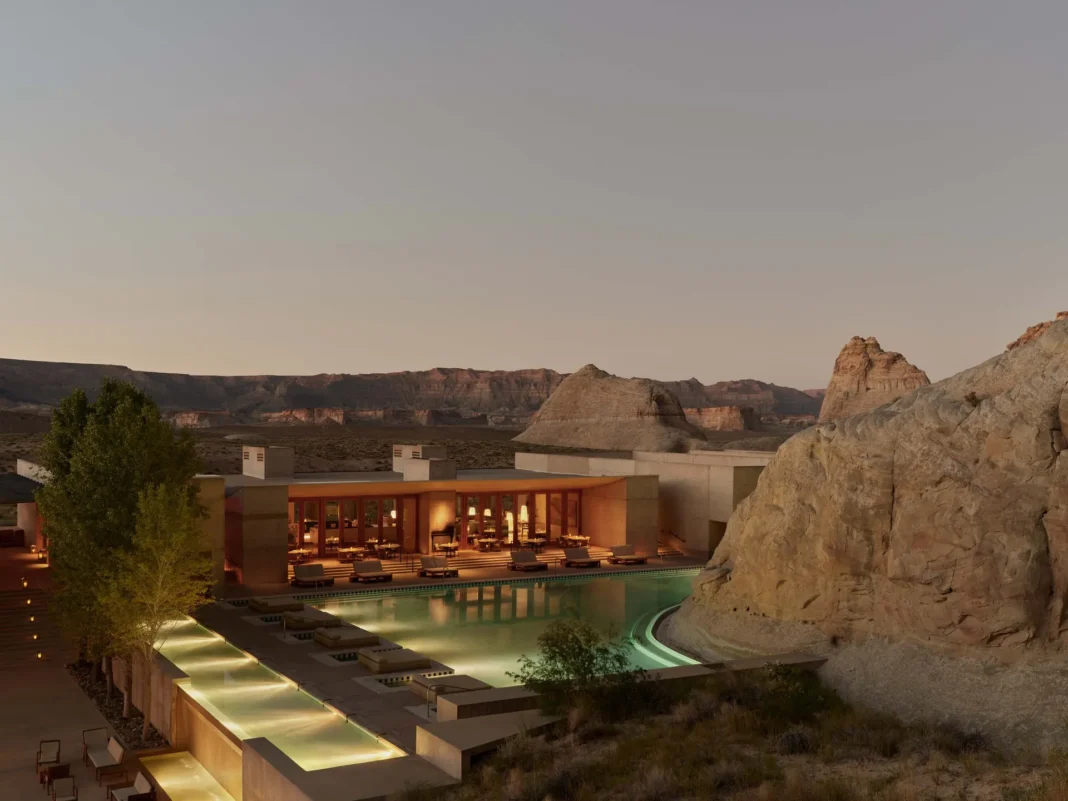
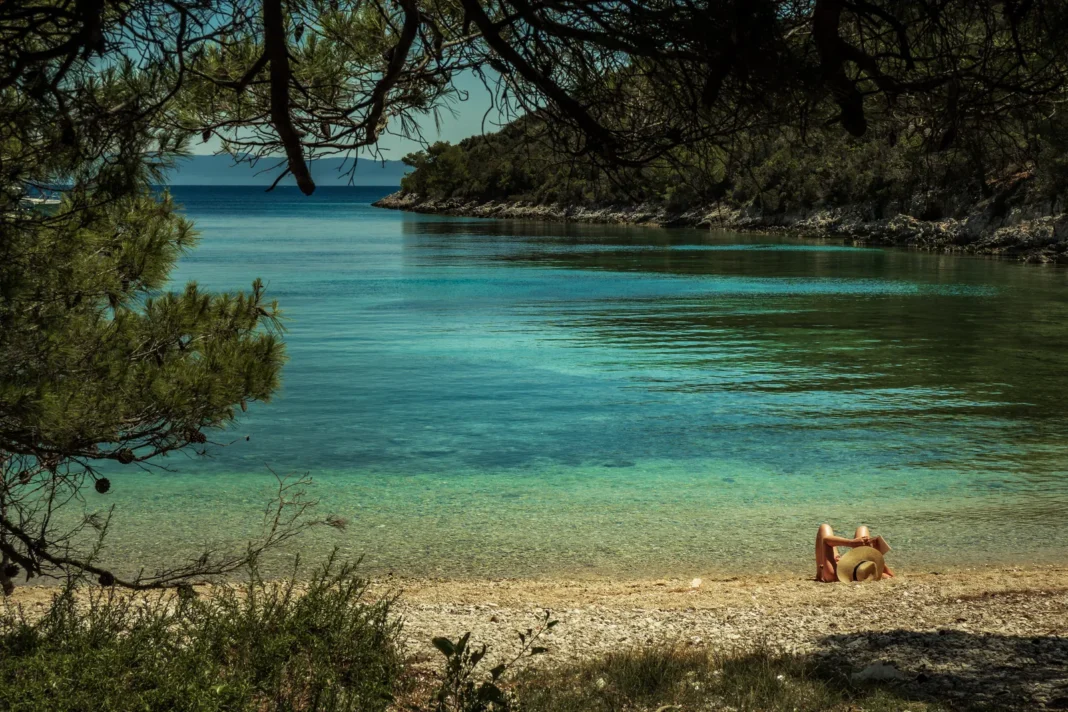
The properties featured in the book are spread across the globe — from a cedar cabin in New Zealand to a modern retreat on Puget Sound in Washington, a valley home in Colorado, and coastal dwellings in Portugal. Each space aligns with a defining natural element — like pine, oak, or aspen — and illustrates how materials and setting can shape not just a home’s aesthetic, but its emotional tone.
Rather than adhering to strict criteria, Kayne says her selection process was guided by feeling: she looked for places where the architecture and interior design felt like extensions of the landscape. That organic relationship is what makes the book feel cohesive, even as it moves from one setting to the next.
Interiors That Invite Stillness
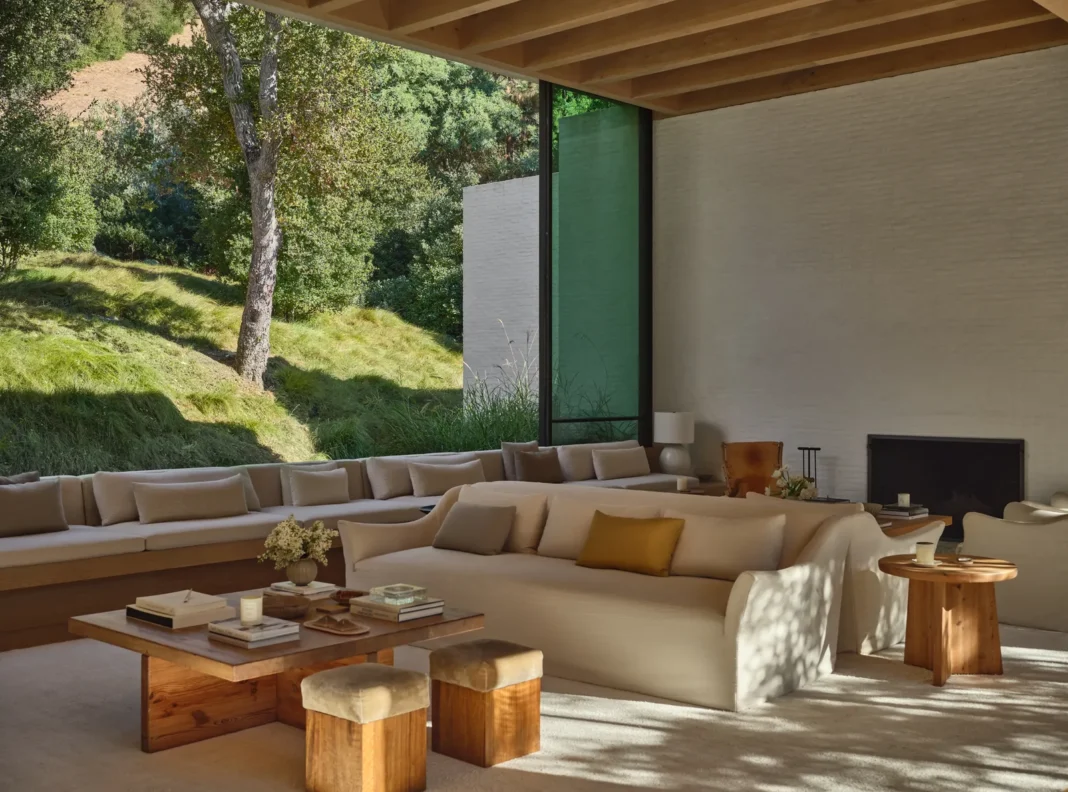
In Pacific Natural Everywhere, the homes are more than pretty pictures — they are invitations to slow down. Photographed with a quiet reverence for light and detail, the interiors emphasize restraint, natural textures, and thoughtful simplicity. Furnishings are often minimal but deeply intentional, letting the surrounding views and materials do much of the expressive work.
A standout example in the book is a home designed by architect Jim Olson on Washington’s Puget Sound. Its defining feature is a near‑constant visual connection to the outdoors: expansive glass walls and open layouts make the landscape feel as present as any piece of furniture. The design doesn’t compete with nature — it frames it.
Why This Book Matters
For fans of Kayne’s aesthetic — already familiar through her fashion line, homewares, and previous books — this volume feels like a natural culmination of her philosophy. It positions the California lifestyle not as a trend, but as a design ethos: one that prioritizes comfort, connection to nature, calm interiors, and spaces that feel lived‑in rather than staged.
Unlike trend‑driven design books full of seasonal fads, Pacific Natural Everywhere reads like a meditation on intentional living — offering inspiration rather than instruction. It reminds readers that thoughtful design doesn’t mean more stuff, but more meaning; the beauty isn’t in clumsy decoration, but in a harmonious relationship between people, place, and nature.
More Than a Style Guide
At its heart, Pacific Natural Everywhere is more than just a coffee table book — it’s a state of mind. Through evocative images and personal insights, Kayne demonstrates how spaces can be emotionally resonant and grounded without being contrived. Whether it’s a mountain lodge or a seaside villa, the homes featured share a calm openness that feels both timeless and deeply personal.
Kayne’s work shows that creating spaces that feel good isn’t about mimicking a particular aesthetic but about interpreting it through the lens of nature — whether that’s through light, materials, views, or thoughtful restraint. The result is a book that invites readers to think of the California ideal not as a location, but as a way of living well everywhere.
In short: Pacific Natural Everywhere is both a visual journey and a design philosophy — one that champions calm interiors, elemental materials, and homes that feel like extensions of the world around them no matter where they’re located.