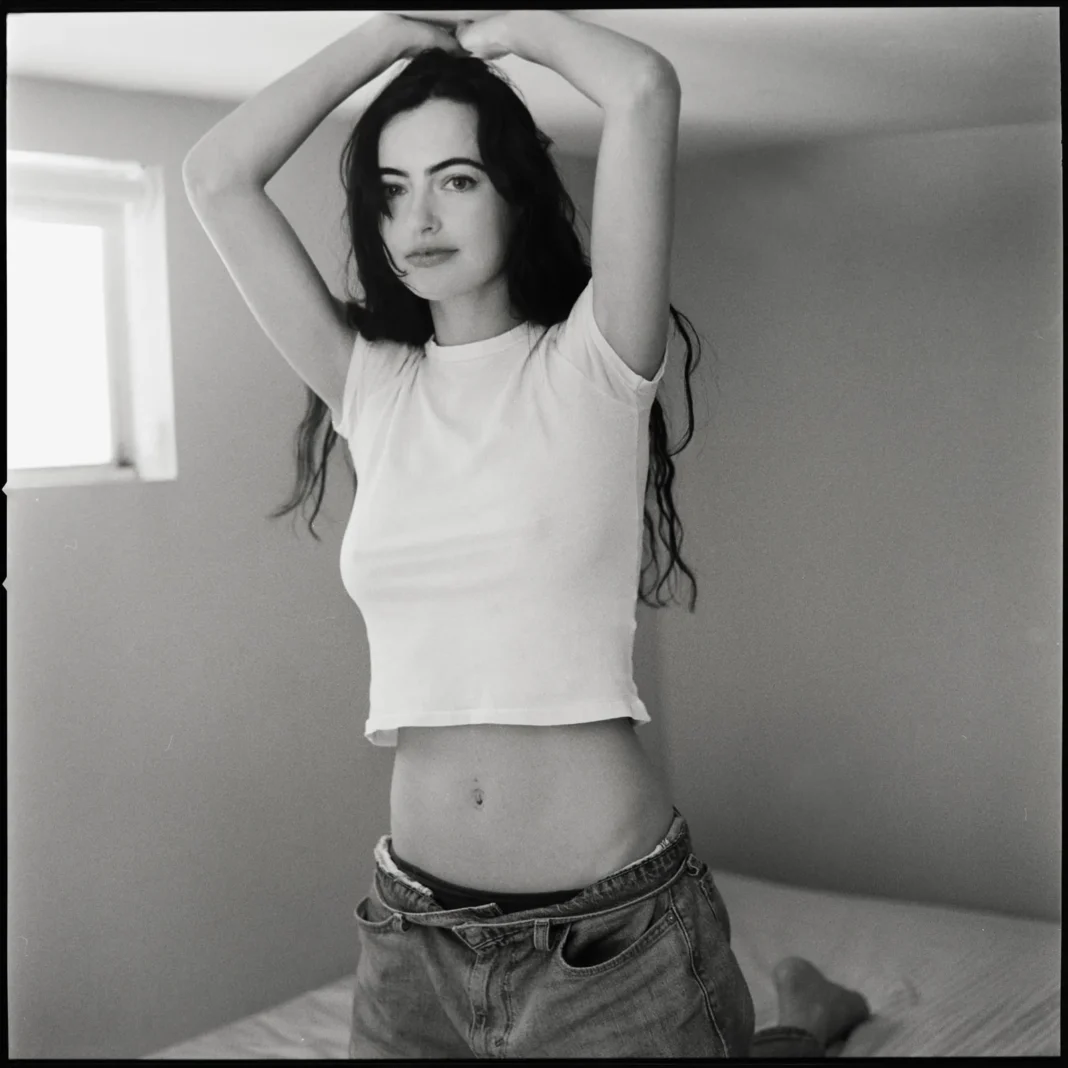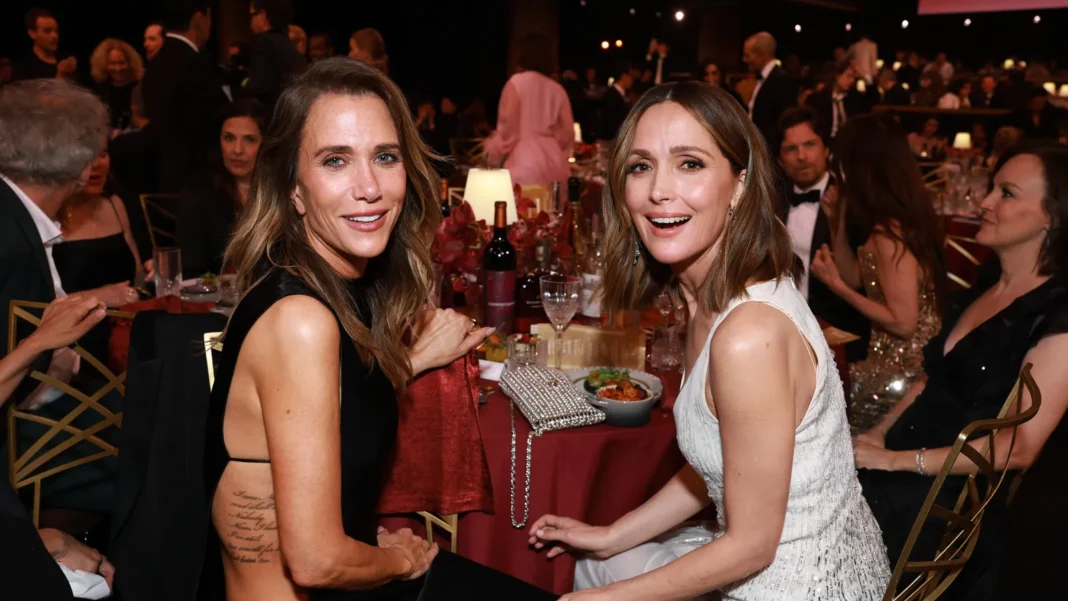

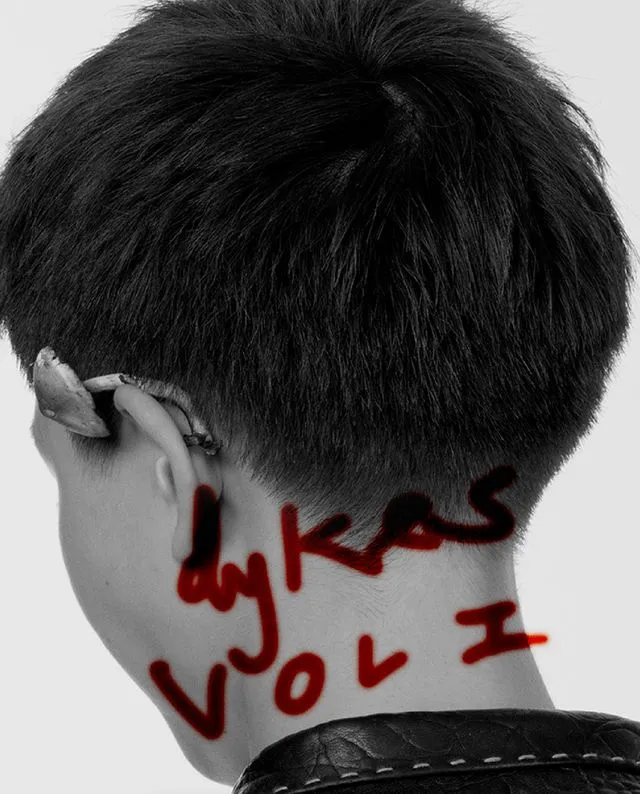
Photographer Emily Lipson has long been known for her dynamic and inclusive portraiture, but her latest project marks a significant milestone: a full‑length monograph titled Dykes. More than just a photography book, Dykes is a vibrant and deeply personal exploration of queer identity through the lives and faces of 50 individuals. The project, years in the making, reflects Lipson’s commitment to capturing the richness and complexity of lesbian and queer experience in a way that resists simplification and embraces fluidity.
Released after five years of work, Dykes combines photography, mixed media, and a wide array of visual styles to challenge narrow definitions of community and representation — inviting viewers to see the depth and diversity within spaces often misunderstood or ignored.
A Project Born from Trust and Authenticity
Unlike projects that rely on casting calls or curated aesthetics, Lipson’s book emerged organically from real relationships and lived experience. Many of the people featured were friends, partners, or subjects she had already photographed over time. By revisiting her archive and intentionally selecting portraits, Lipson shaped a body of work that feels honest and unfiltered rather than staged.
In a Vogue interview, she explained that Dykes isn’t meant to define what it means to be part of the dyke community. Rather, it’s about celebrating the many forms that identity takes, embracing contradictions, variations in style, and the nuances that make each person unique.
Resisting Simplification
One of the book’s central themes is rejecting the idea that community can be distilled into a single look or stereotype. Lipson purposefully included people with diverse backgrounds and gender expressions: cis lesbians, bisexual individuals, trans masc men, trans fem women, and others who resonate with the term “dyke.” Her intention was clear: make Dykes a space where many voices and identities coexist, rather than a homogenous representation.
The project grows out of Lipson’s own evolving relationship with the word “dyke.” Though historically used as a slur, many in the community have reclaimed it with pride, and Lipson saw this book as an opportunity to embody that reclamation through imagery.
Artistic Style and Visual Language
Dykes does not adhere to a single aesthetic. Instead, the book combines multiple visual approaches — including film photography, digital imagery, mixed‑media collage, and even AI‑generated elements — to reflect the messiness and dynamism of identity itself. Lipson wrote that identity is not static but continually in flux, a theme that is woven through the visuals she selected.
Interestingly, she used a variety of cameras and techniques — 12 different camera systems, in fact — to emphasize that no single style can fully grasp the lived reality of the people she portrays. This openness to experimentation reinforces the book’s larger message: identity is layered, multifaceted, and resistive to standardization.
Celebrating Community Through Portraiture
Beyond its artistic ambition, Dykes functions as a visual archive of queer life and connection. Lipson believes that seeing oneself reflected in art and media is a powerful form of validation — especially for communities that have seldom seen themselves represented authentically in mainstream outlets.
By bringing together subjects from across cities like Paris, London, Los Angeles, and beyond, the book also underscores how community extends beyond geography. Portraits taken on multiple continents show that queer identity and queer experience are not confined to one place or one look.
The Meaning of Identity and Belonging
Lipson’s project isn’t about defining limits — it’s about exploring belonging and self‑recognition. In the Vogue interview, she explained how she began with photographs already in her archive, asking herself which images felt like they spoke to deeper questions of identity and community. This process led to a book that doesn’t settle for easy answers but instead invites readers to witness the beautiful complexity of each subject.
Instead of presenting a fixed narrative, Dykes functions as a conversation — between viewer and subject, photographer and community, and even between past and present moments of self‑discovery. Lipson described identity as something that both introduces people to spaces and limits them, a tension that resonates throughout the book’s pages.
A Lasting, Evolving Work
Released into a world hungry for representation that feels real rather than performative, Dykes is already generating conversation. It challenges viewers to reconsider what they think they know about community and what it means to belong. While photo books have long been a medium for artistic exploration, Lipson’s work distinguishes itself by its bold refusal to simplify or flatten the individuals it depicts.
For Lipson, the book’s existence is also a personal evolution. She recently cleared her Instagram to reflect her creative growth and broaden her aesthetic possibilities — a symbolic reset that echoes her belief that art should grow with its creator, rather than confine them.
Why Dykes Matters
In an era where representation often feels curated or commodified, Dykes stands out for its rawness, diversity, and emotional honesty. It doesn’t just document a community — it invites the reader to see the individuals within it, resisting easy categorization and instead celebrating the beautiful unpredictability of human identity.
More than a photography book, Dykes is a testament to the power of art to create a space where people can see themselves fully, without apology, stereotype, or constraint — a project that resonates far beyond its pages.