
For years, millennials were often mocked for their cultural habits—everything from side-part hairstyles and skinny jeans to the social-media trends that defined the 2010s. Yet today, the same generation that once dominated internet culture is stepping into positions of real influence within the fashion industry. Designers, executives, and creative leaders born in the millennial era are increasingly shaping how global fashion brands operate and communicate.
This shift raises an interesting question: Has fashion officially entered the millennial era?
Millennials Are Taking Leadership Roles
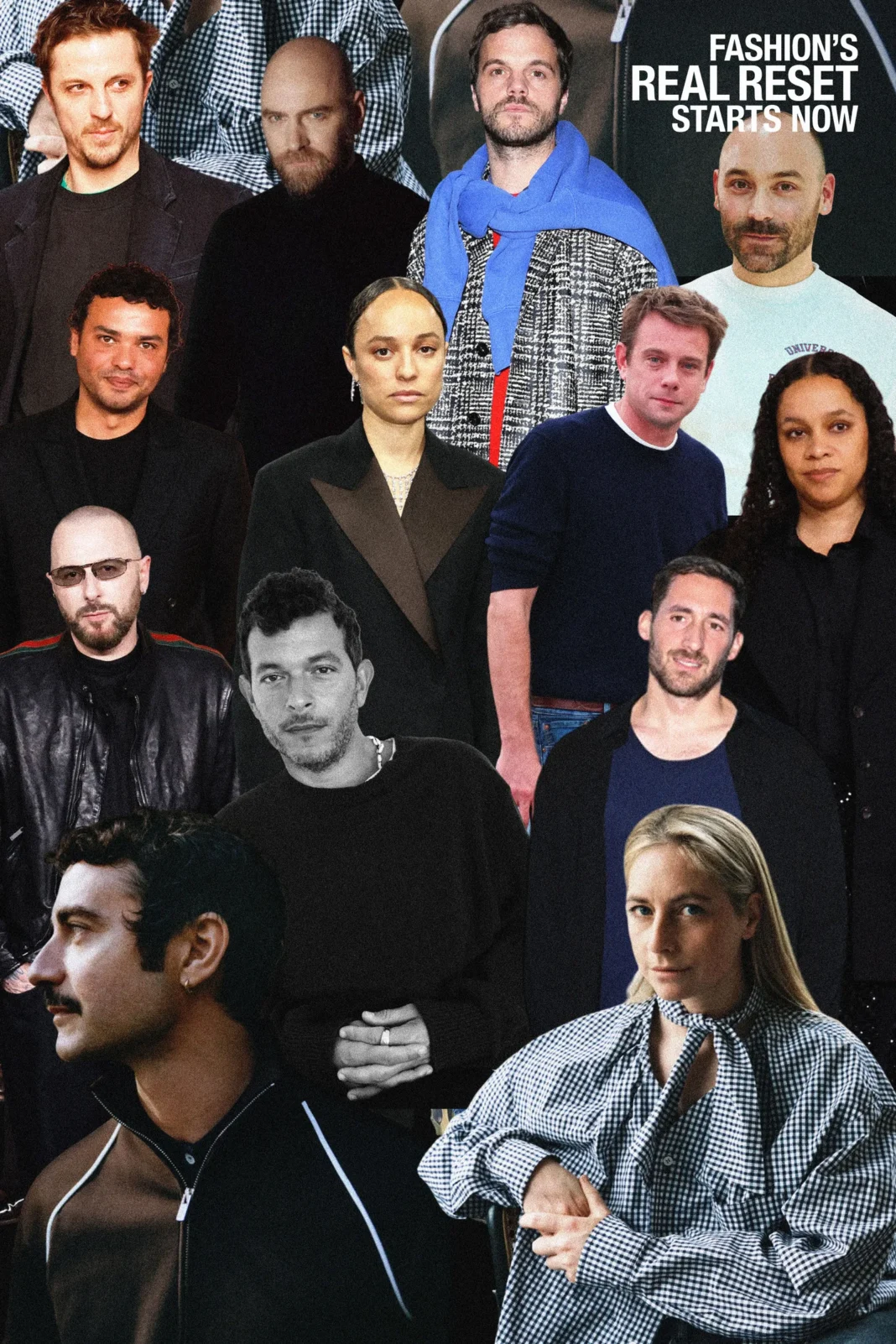
Across the fashion industry, a noticeable generational change is underway. Many of the newest creative directors and executives leading luxury brands now belong to the millennial generation. In fact, a large portion of recent creative-director appointments have been designers born between the early 1980s and mid-1990s.
These leaders are now guiding legacy fashion houses that were once dominated by older generations. As millennials move into decision-making roles, they bring a different mindset about technology, culture, and consumer relationships.
Unlike previous generations of designers, millennials grew up during the rise of the internet and social media. As a result, they naturally understand digital culture and the way modern audiences interact with brands online.
A Generation That Bridges Two Worlds
One of the defining strengths of millennial leaders is their ability to connect traditional fashion values with modern digital culture.
They remember a time before social media dominated daily life, yet they also witnessed the rapid evolution of online platforms, influencer culture, and digital storytelling. This unique perspective allows them to balance heritage and innovation.
In practical terms, this means millennial leaders often approach fashion with:
- A strong respect for brand history and craftsmanship
- A deep understanding of online communities
- A collaborative leadership style
- A focus on cultural relevance and digital communication
Because of this balance, many industry insiders believe millennials are well positioned to guide fashion through its current transformation.
Fashion Is Becoming More Collaborative
Another major shift tied to millennial leadership is a move away from rigid hierarchies. In the past, fashion houses were often dominated by a single visionary designer whose creative authority was rarely questioned.
Today’s environment looks different.
Millennial professionals tend to favor teamwork and cross-department collaboration. Instead of separating creativity, marketing, and strategy, these areas increasingly work together. The result is a more integrated approach to building fashion brands.
This collaborative style is also necessary in an industry that now includes many complex elements, such as:
- Digital platforms and e-commerce
- Social media marketing
- Influencer and celebrity partnerships
- Global cultural conversations
Fashion today is not just about clothing—it is about storytelling and community building.
Consumers Are Changing Too
The rise of millennial leadership also reflects changes in the consumer base. Millennials themselves are now in their late twenties to early forties, and many have become parents, homeowners, and business leaders.
As their purchasing power grows, their preferences shape the luxury market. Modern fashion consumers increasingly want:
- Authentic brand identities
- Meaningful storytelling
- Sustainability and ethical practices
- Products that feel culturally relevant
This new generation of consumers expects brands to connect with them in ways that go beyond traditional advertising.
A “Creative Reset” in Fashion
Some industry observers describe the current moment as a creative reset. After years of rapid trend cycles and digital noise, many fashion companies are rethinking how they operate.
The appointment of millennial leaders is part of this shift. These creatives and executives are experimenting with new ways of designing collections, engaging audiences, and structuring fashion companies.
At the same time, they remain aware of the importance of fashion’s history. Many millennial designers admire the legacy of earlier fashion icons and aim to reinterpret those traditions for a new era.
Looking Toward the Next Generation
Even though millennials are now shaping the industry, they are also aware that cultural trends move quickly. Many leaders emphasize the importance of listening to younger voices, particularly Generation Z, who are driving new fashion conversations online.
As a result, successful fashion companies are increasingly building multi-generational teams that combine experience with fresh perspectives.
This approach ensures brands stay connected to emerging trends while maintaining their long-term identity.
The Future of Fashion Leadership
The growing influence of millennials signals a major turning point for the fashion industry. Their leadership style reflects a world shaped by digital culture, constant innovation, and global connectivity.
Rather than replacing the past, millennials are helping fashion evolve—combining heritage with modern ideas about community, technology, and creativity.
Whether fashion fully “belongs” to millennials remains open to debate. But one thing is clear: their perspective is playing a defining role in shaping the next chapter of the industry.