

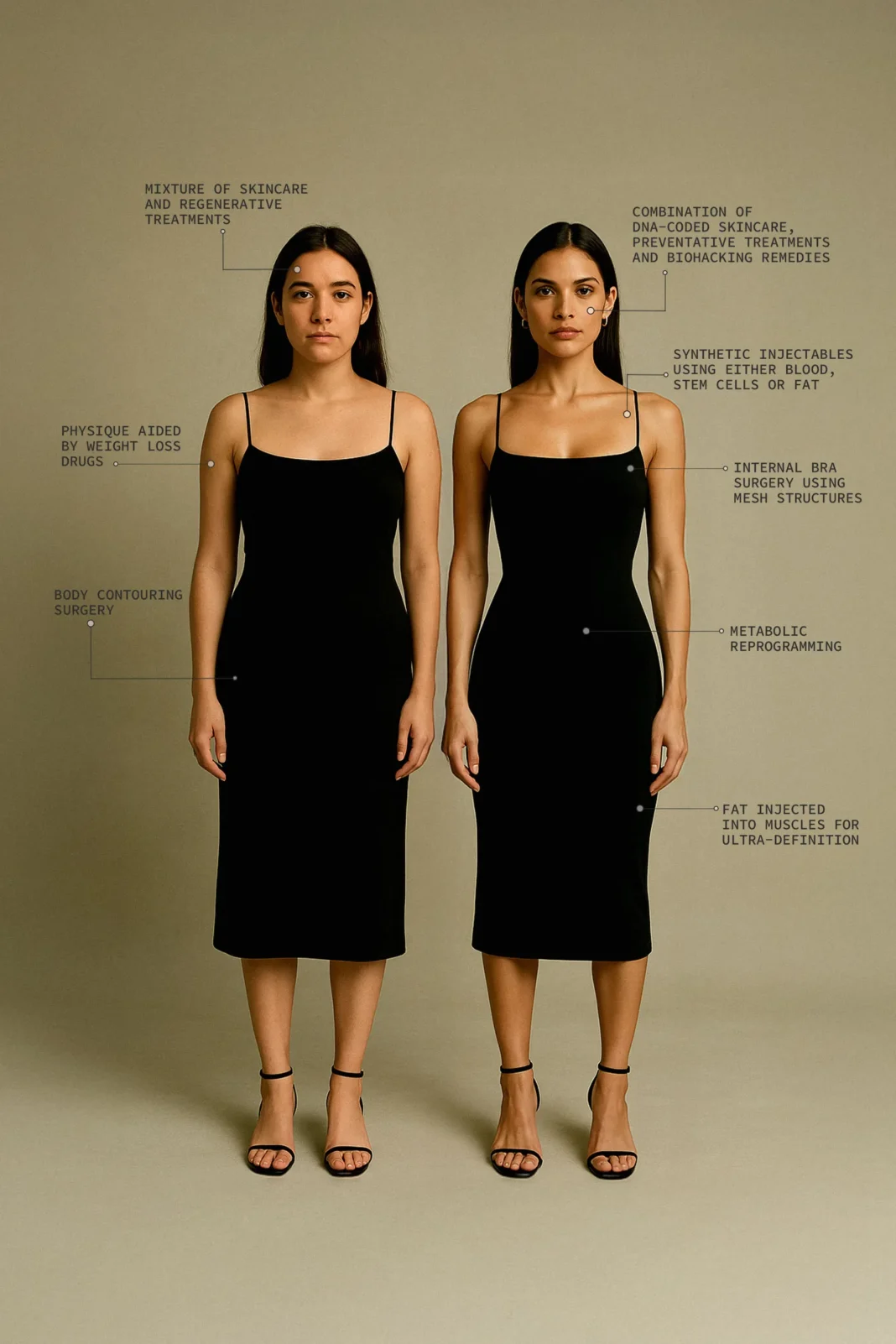
Predicting the future has always fascinated us—especially when it comes to how we will look. Advances in science, technology, and medicine are transforming the beauty and wellness industries faster than ever before. In the next two decades, the way people approach aging, body shape, and personal appearance may change dramatically.
Rather than simply fighting the signs of aging, the future may focus on designing how we age, using biotechnology, personalized treatments, and preventive care.
The Rise of Subtle Aesthetic Enhancements
Beauty trends have already begun shifting away from dramatic transformations toward more natural results. Instead of obvious cosmetic procedures, many people now seek treatments that maintain a youthful appearance without looking artificial.
In the future, this preference for subtlety is expected to grow even stronger. Many cosmetic procedures will likely focus on preserving natural features while slowing visible aging. Treatments such as lasers, skin-boosting injectables, and regenerative therapies could help maintain healthy skin without drastically changing a person’s face.
Experts believe the goal will be looking like the best version of yourself, rather than trying to look like someone else.
Weight-Loss Drugs and Changing Body Ideals
Another factor influencing future appearance is the growing popularity of new medical treatments designed to manage weight and metabolism. Drugs originally developed to treat diabetes—such as those used to regulate appetite and blood sugar—have quickly become part of mainstream conversations about body image.
These medications may reshape the way people think about body weight and physical health. While the long-term effects on beauty standards are still unclear, they are already influencing discussions about body ideals and lifestyle habits.
Over the next 20 years, body aesthetics may become more closely tied to metabolic health and medical science, rather than diet culture alone.
Longevity and the Desire to Age Differently
Perhaps the most important shift in beauty culture is the growing interest in longevity. Instead of focusing only on youthful looks, many people now want to extend their healthy years of life.
Biohacking, wellness tracking, and advanced diagnostics are becoming increasingly popular. Individuals monitor sleep patterns, stress levels, oxygen intake, and other biological signals to optimize their overall health.
This movement suggests that the beauty routines of the future will not be limited to creams and cosmetics. Instead, appearance may be shaped by a combination of:
- Nutritional strategies
- Personalized supplements
- Regenerative medical treatments
- Advanced skincare technologies
The goal will be to maintain vitality at the cellular level rather than simply masking visible aging.
Regenerative Medicine and the Science of Youth
Another major development expected to reshape our appearance is regenerative medicine. Researchers are exploring treatments that encourage the body to repair itself using biological signals and cellular therapies.
Technologies involving stem cells, exosomes, and tissue regeneration may eventually help stimulate collagen production and restore damaged skin cells. These treatments aim to work with the body’s natural repair processes instead of relying on artificial fillers or implants.
In the future, aesthetic medicine may move from replacing lost volume to regenerating healthier tissue, creating more natural and long-lasting results.
Personalized Beauty and Genetic Insights
Personalization is likely to become one of the defining features of beauty in the next two decades. Advances in data analysis and biotechnology may allow skincare and health products to be tailored to each individual’s biology.
For example, genetic testing and skin diagnostics could help identify specific needs related to aging, pigmentation, hydration, or inflammation. Treatments and products could then be customized accordingly.
Rather than using generic anti-aging creams, consumers might receive highly individualized routines based on their unique biology and lifestyle.
The Ethical Questions Behind the Future of Beauty
While these innovations sound exciting, they also raise important ethical questions. If advanced treatments become expensive, access to them could be limited to wealthier individuals. This may create a new type of beauty inequality based on financial resources.
There are also concerns about the psychological impact of constantly trying to optimize appearance. As technology makes it easier to modify the body, people may feel increased pressure to maintain unrealistic standards.
Balancing technological progress with self-acceptance will likely become one of the biggest challenges for the beauty industry.
Designing the Future of Appearance
Twenty years from now, our appearance may be influenced by tools that feel almost futuristic today: AI-driven diagnostics, regenerative therapies, and health-tracking technologies. Instead of reacting to aging after it happens, people may actively shape how their bodies change over time.
The concept of beauty could evolve from something static to something dynamic and customizable, shaped by science as much as by culture.
Yet even as technology transforms how we age, one thing may remain constant: the human desire to feel confident in our own skin. The real challenge for the future of beauty will be finding a balance between innovation and authenticity—between improving ourselves and embracing who we already are.