

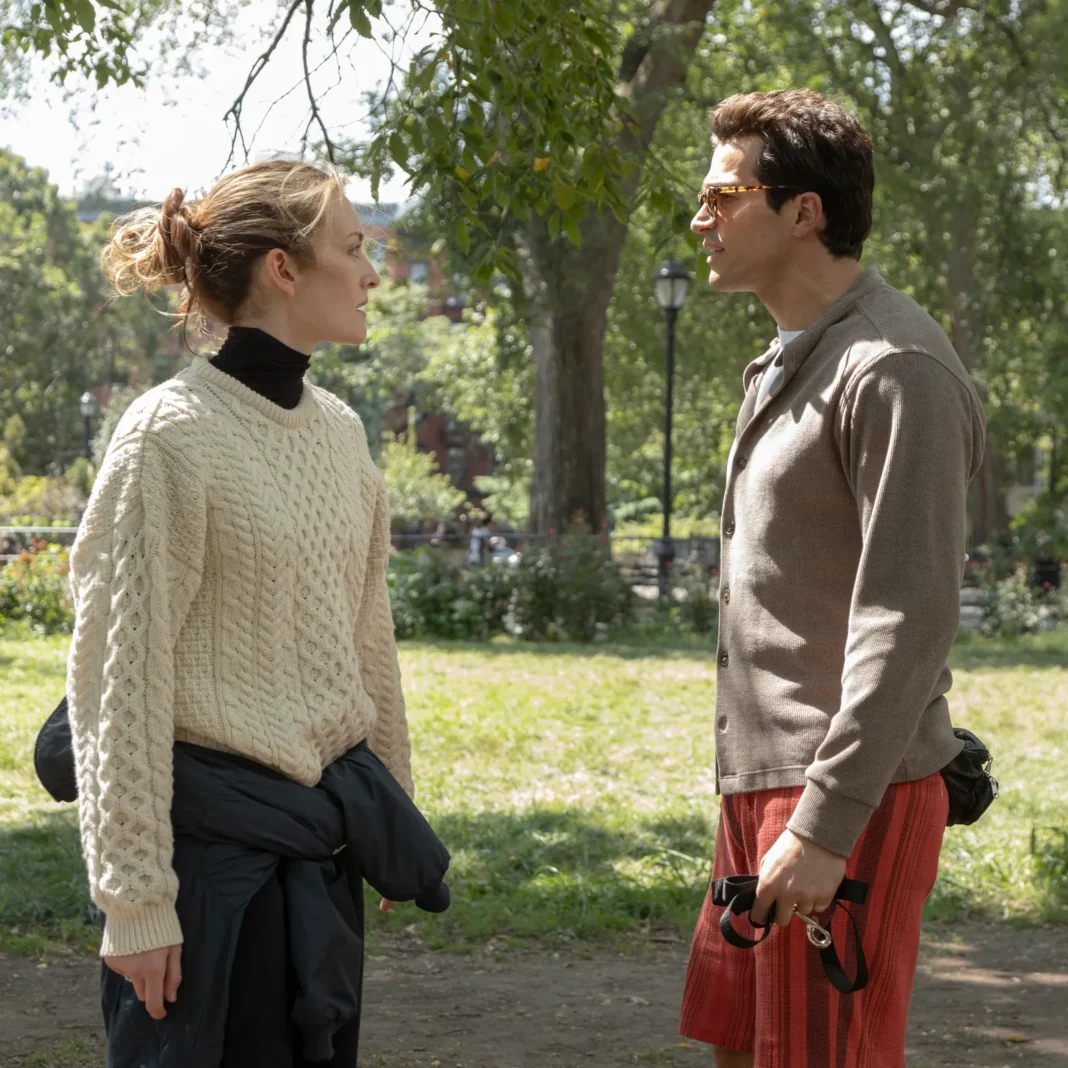
Episode 5 of Love Story: John F. Kennedy Jr. and Carolyn Bessette — the dramatized account of one of the most talked‑about romances of the 20th century — sparked a torrent of emotional reactions from viewers. In typical Vogue stream‑of‑consciousness style, one dedicated fan documented 64 distinct thoughts as they watched the pivotal chapter unfold. The result is a candid, witty, and deeply personal account that blends sharp pop‑culture savvy with frank reflections on love, tension, and narrative choices.
Episode 5, titled “Battery Park,” focuses on a defining moment in the couple’s story, one that reveals the pressures of public life, intense family scrutiny, and the complicated dynamic between two very different personalities — and it gave the watcher plenty to think (and laugh) about.
Beginning With Style — and Casting Praise
The article opens with an enthusiastic nod to the casting and performances that keep viewers hooked. Many of the reactions highlight admiration for the actors portraying John F. Kennedy Jr., Carolyn Bessette, and the supporting roles, praising the chemistry, nuance, and charisma that bring these iconic figures to life onscreen. The observations mix lighthearted commentary with deeper respect for the actors’ craft.
The Kennedy Family Skill Check
One major set of thoughts centers on the dinner at the Kennedy family compound — an awkward and tension‑filled scene that quickly becomes comedic in the eyes of the viewer. The reactions range from cringing at Carolyn’s social missteps to laughing at the exaggerated formalities demanded by the family matriarch. These moments underscore how the show dramatizes class, etiquette, and tradition in a way that feels both cinematic and absurd.
Humor Meets Nostalgia
The fan’s commentary is packed with humorous lines — from playful observations about costume choices and dialogue to emotional reactions like rooting for Carolyn when she tries to navigate her way through the Kennedy social maze. There’s admiration for the show’s beauty and power, but also an unmistakable affection for its quirks.
Many reactions also reveal a nostalgic connection: a reminder of the era’s pop‑culture energy and the way the Kennedy family loomed large in public imagination. These personal flashes of emotion ground the commentary in something relatable: not just as criticism of a TV episode, but as a lived experience of watching old stories come alive again.
The Proposal That Wasn’t a Proposal — and Public Scrutiny
A big moment in Episode 5 — John’s attempt to propose to Carolyn — generated its own set of reactions. Some thoughts focus on the emotional awkwardness of the scene, while others dissect the dramatic choice to place such a pivotal moment in a serene but pressure‑filled setting. The viewer’s emotional investment becomes clear: this is not just screen drama, but a story that feels personal and resonant.
Tension between private love and public pressure also became a focal point. The reactions note how John’s denial to the press about the proposal — a strategic attempt to protect Carolyn — paradoxically becomes its own problem, sparking confusion and tension between them. From witty remarks about paparazzi timing to deeper looks at character conflict, these notes highlight how the show blends romance, media spectacle, and intimate drama.
Emotional Nuances and Viewer Investment
Beyond the laughs and quips, many of the reactions reflect real emotional engagement. The audience member’s thoughts often switch from playful commentary to heartfelt recognition of why this story matters. Relationships, fears of commitment, and the tug‑of‑war between personal identity and public expectation all surface in these reactions, showing how deeply the episode resonated.
What stands out is that these thoughts aren’t just about plot points. They become a commentary on how we relate to on‑screen characters: how we project, critique, and empathize — all while watching from the comfort of our couches.
Fashion, Dialogue, and Storytelling
Even small elements — like costumes and lines of dialogue — draw attention. Certain reactions highlight anachronisms, style details, or writing choices that feel either perfectly nostalgic or slightly off. These moments make the commentary feel rounded: loving the show while also appreciating the craft behind it.
The blend of observational humor and cultural analysis turns what could be a dry recap into something lively and immersive. This is what makes pieces like this more than entertainment criticism — it becomes a shared cultural experience.
Why These Reactions Matter
What’s striking about this Vogue‑style commentary isn’t just the number “64” or the enumerated thoughts — it’s the tone. It reflects a generation of viewers who don’t just passively watch TV but respond, engage, and connect personally with what they see. Whether they’re amused by awkward family dinners, impressed by costume design, or emotionally drawn into the characters’ internal lives, each reaction echoes the way viewers today process stories on multiple layers at once.
In a world where media consumption is deeply personal, responses like these help shape how we talk about narrative, history, nostalgia, and cultural memory — all through the lens of a TV series.